
Why At-Home Beauty Devices Are Becoming Essential
A decade ago, red light panels and microcurrent tools lived almost exclusively in dermatology offices and med-spas, with sessions booked weeks out and priced by the visit. The at-home beauty-tech category didn't emerge because the science changed. It emerged because the economics and the routines around that science finally caught up to what people actually needed: access, on their own schedule.
The Access Gap These Devices Close
A single in-office LED or microcurrent session can run well past what most people can justify monthly, and results, as covered in Why Consistency Beats Intensity, depend on frequency more than on any single high-powered session. That is a structural mismatch: the thing that works best, frequent and consistent use, is the hardest thing to afford in a professional setting. At-home devices exist specifically to close that gap.
Professional-Grade Isn't Just for Professionals
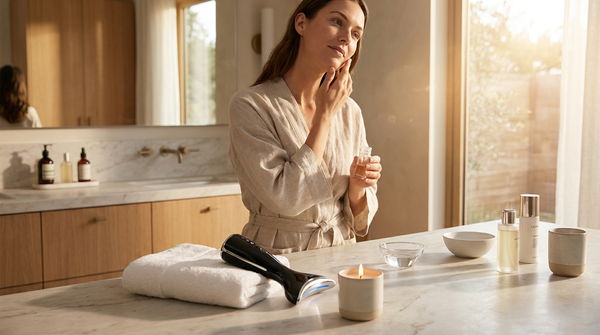
It's a hard rule for how we talk about our own devices: being built on professional-grade technology doesn't mean a device is only for professionals. Everyday consumers and licensed estheticians alike reach for the same tools now. The difference is simply who's holding them, and how often.
What to Actually Look For
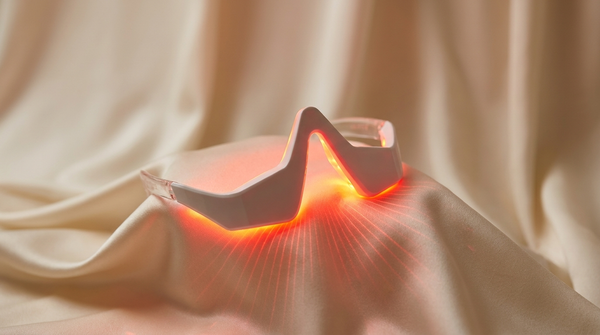
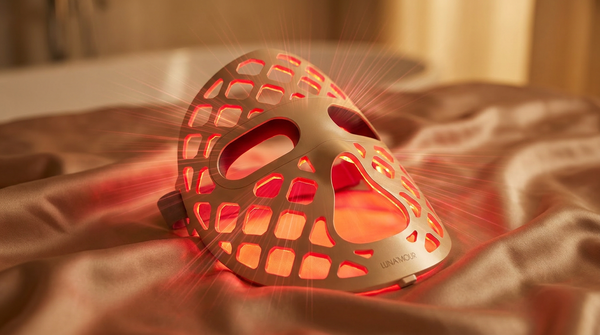
Not every at-home device is created equal. The ones worth investing in are transparent about their wavelengths and technology rather than using "LED" as a vague catch-all, designed for real daily use rather than occasional novelty, and backed by a brand willing to point you to the actual published research instead of only glowing testimonials.

LUNA'MOUR devices are not medical devices and are not intended to diagnose, treat, cure, or prevent any disease. Individual results vary with skin type and consistency of use.