
Serum Before or After Your Beauty Device? A Device-by-Device Guide
For an LED mask, start with clean skin and, if you like, a thin layer of a light, water-based serum, then apply richer serums, oils and moisturizer after. Microcurrent and galvanic devices need a water-based conductive gel or serum during the session, vacuum tools need very little product, and IPL needs clean, dry, shaved skin with no actives right after.
In this guide
Key takeaways
- There is no single rule: each technology needs something different on your skin.
- LED works best on clean skin with, at most, a thin water-based layer. Oils, creams, sunscreen and makeup go after.
- Microcurrent and galvanic need a water-based conductive gel or serum to glide and keep contact.
- Vacuum needs less product than you think, and IPL needs clean, dry, shaved skin with no actives straight after.
- When in doubt, your device manual wins.
You have a serum you love and a device you are excited about. Does the serum go on before the device, or after? The honest answer depends on what your device actually does to your skin.
An LED mask shines light at your skin, so anything opaque gets in the way. A microcurrent wand sends a gentle current through it, so it needs a conductive layer. A vacuum tool lifts the skin with suction, and slippery oils make that suction harder to control. This guide walks through each device type so you know what goes on before, during and after every session. New to the technologies themselves? Start with The 12 Beauty Technologies Explained.
Why order matters with beauty devices
Your skin is built to keep things out. Its outer layer, the stratum corneum, is the main barrier that holds water in and limits what passes through 1. The American Academy of Dermatology notes that the order in which you apply skin care products affects how well they work 2. Devices add one more layer to that question. Ask three things about any device:
- Does it need a medium? Current-based devices usually do. Light devices usually do not.
- Could the product get in the way? Makeup, sunscreen, oils and thick creams can block light, interfere with current or make suction slippery.
- Will my skin be more sensitive afterwards? After some sessions, especially IPL, it is kinder to skip strong actives for a while.
The device-by-device table
Your quick reference. Where your device manual says something different, follow the manual.
| Device | Before the session | During | After |
|---|---|---|---|
| LED light therapy | Cleanse and dry. Remove makeup and sunscreen. Optional thin layer of a light, water-based serum. | Nothing extra. Wear eye protection if your device directions call for it. | Your LED companion step, then richer serums, moisturizer or oil. |
| Microcurrent and EMS | Cleanse. Apply an even layer of water-based conductive gel or serum. | Keep the layer moist and reapply if it dries. Pad-style EMS: follow your device manual. | Press in or rinse off leftover gel, then serum and moisturizer. |
| Galvanic | Cleanse. Apply the water-based gel or serum your device recommends. | Keep the layer even. No strong actives under the current unless the manual allows them. | Moisturizer. Save retinoids and acids for later if skin feels sensitive. |
| Radiofrequency (RF) | Cleanse and dry. Apply the medium your device manual specifies. | Keep the device moving. Follow your device manual. | Gentle hydration. Let skin settle before strong actives. |
| Sonic vibration | Cleansing head: cleanser on damp skin. Massage head: your usual serum. | Glide lightly. Follow your device manual. | Continue your routine as normal. |
| Vacuum sculpting | Cleanse. A light layer of product only. | Keep the device moving. Avoid oily serums, which make suction harder to control. | Serum, moisturizer and, if you like, face oil. |
| IPL | Clean, dry, shaved skin. No lotion, deodorant or makeup on the area. | Nothing on the skin. Follow your device manual and skin tone chart. | No actives on treated skin right after. Gentle moisturizer and sun protection. |
| Cooling and heat | Cooling: over serum or moisturizer. Heat: follow your device manual. | Use the setting recommended for your device. | Cooling works well as the final step. |
General guidance for at-home cosmetic devices. Your device manual takes priority.
LED light therapy: keep the path clear
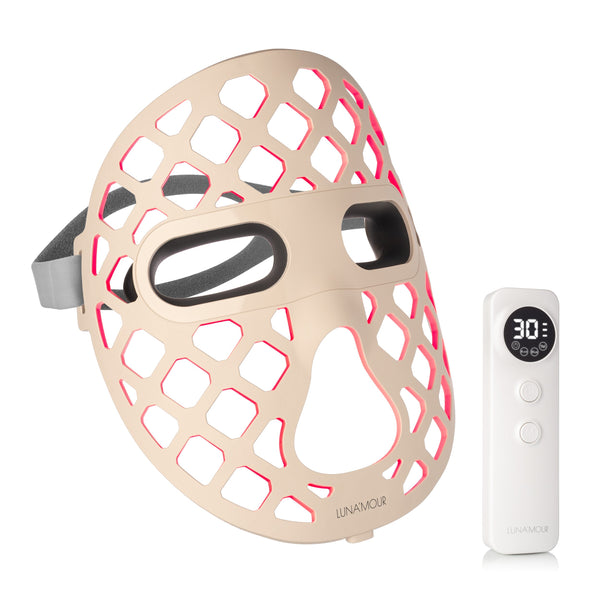
LED devices deliver specific wavelengths of light to the skin, so the goal is simple: do not block the light. Start with a clean, dry face and remove makeup and sunscreen, which are designed to sit on the surface of your skin. Thick creams and oils can get in the way too.
If you want a product on during the session, keep it thin and water-based, like a light essence or hydrating serum. Save richer serums, moisturizer and face oil for after. So, serum before or after an LED mask? A light, water-based serum can go before. Everything heavier goes after.
If your device directions call for eye protection, use the type recommended, not sunglasses, and if you take a medication that makes your skin sensitive to light, check with your doctor first 3. For more on how light works with skin, read The Science of LED Light Therapy.
The companion step for light
If you want a product made for this moment, Lumi LED Amplifier Essence is a lightweight treatment designed as the companion step to light therapy. Follow the directions on the label for where it fits in your session.


Microcurrent, EMS and galvanic: give the current a path
Current-based devices are the opposite of light: they need a layer on the skin. For microcurrent, that is a water-based conductive gel or serum, which helps the device glide and keeps steady contact so the current moves evenly. So what do you put on your face before microcurrent? Clean skin, then conductive gel. Work in small sections and reapply as soon as it feels tacky. Skip oils and makeup during the session. Afterwards, press in or rinse off leftover gel, then continue with serum and moisturizer. Facial EMS follows the same logic; pad-based body EMS may differ, so follow your device manual.
Galvanic devices need a little extra thought. They use a low-level direct current, and the principle behind them, iontophoresis, uses current to help charged, water-loving molecules cross the skin's outer layer 4. That is why galvanic pairs with serums, and why you should be selective about what goes under it. Use the gel or serum your device recommends, and skip retinoids or exfoliating acids under the current unless your manual says they are suitable.
Comparing current technologies? Read Microcurrent vs EMS: What Each One Does and Which You Need. Pairing microcurrent with LED? Our guide LED and Microcurrent in One Routine publishes Saturday, October 31.


Radiofrequency (RF): use the medium your manual specifies
RF devices deliver gentle, controlled warmth to the skin. Some are used with a gel or other medium, and the right one depends on how your device is built. Start with clean, dry skin and use exactly the medium your device manual specifies, rather than swapping in a face oil or active serum. Afterwards, keep it gentle with a simple hydrating serum and moisturizer, and let skin settle before retinoids or acids.
Sonic, vacuum and massage: less is often more
Sonic vibration is flexible. Use a cleansing head with cleanser on damp skin, or glide a massage head over your usual serum. Follow your device manual for which heads suit which products.
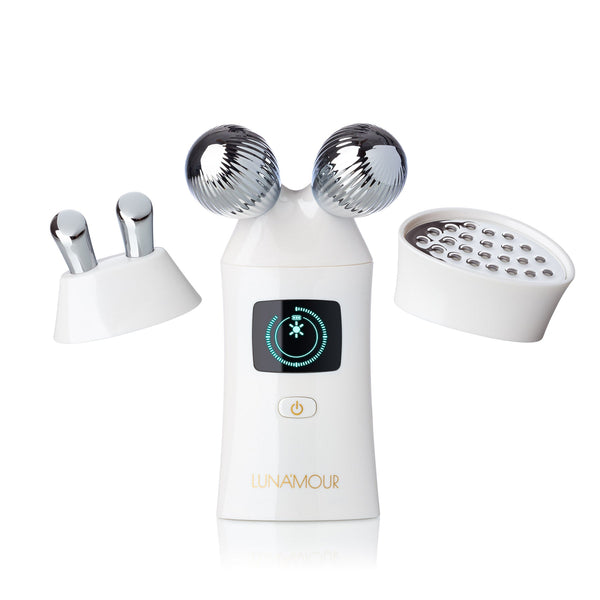
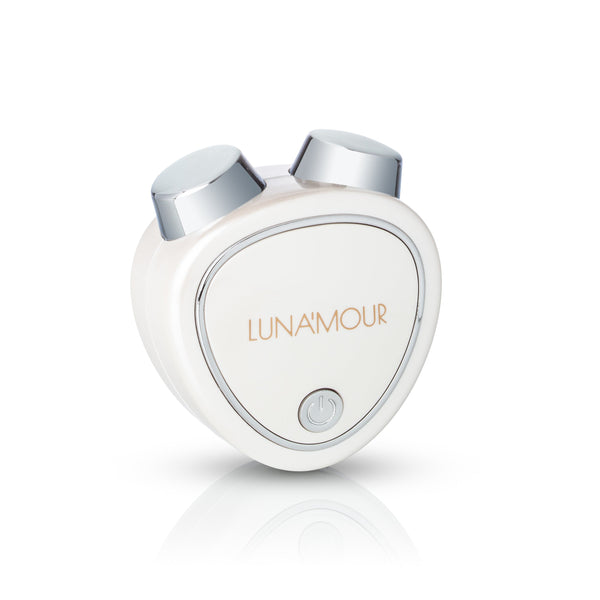
Vacuum sculpting is where most people overdo it. A light layer helps the head glide, but oily serums make the suction harder to control, so use less product than you think and keep the device moving. Save face oil for after.
Some massage tools want nothing at all. SCULPT8, our lymphatic and contour massager, is used on clean, dry skin with no oils. It is a body care ritual: not a weight-loss device and not a substitute for diet or exercise.


IPL: clean, dry, shaved, and gentle afterwards
IPL is the one device where you want no product on your skin at all. The area should be clean, dry and freshly shaved, with no lotion, deodorant, self-tan or makeup. Check your device's skin tone chart and patch test first. Afterwards, skip retinoids, acids and fragranced products on treated skin, use a gentle moisturizer if it feels dry, and protect the area from the sun. A systematic review of home-use light devices for hair removal found redness was the most common side effect, with pigment changes also reported 5, which is why gentle aftercare matters.
Cooling and heat: bookends for your routine
Cooling makes a natural final step over serum or moisturizer. Heat appears in eye masks, neck tools and multi-technology devices, and gentle warmth may help skin feel more receptive to what follows. Follow your device manual for where it belongs.
Not sure where to start?
Answer a few quick questions about your skin goals and routine, and we will match you with the technology and device that fit.
Find Your MatchActives to time carefully
- Retinoids and exfoliating acids can leave skin more sensitive. Use them after your session once skin has settled, or on another evening. The AAD also notes that too many products can irritate skin, especially more than one anti-aging product 2.
- Vitamin C is usually best applied after a session, not under a device, unless your manual lists it as a suitable medium.
- Face oils and balms are lovely as a last step, but before a session they can block light, interfere with current and make suction slippery.
- Light-sensitizing medication. A review in Drug Safety lists doxycycline and tetracycline among the drugs most consistently linked to photosensitivity 6. If you take prescription medication, ask your doctor or pharmacist before starting LED or IPL.
A simple order that works
- Cleanse and pat dry.
- Current or suction: microcurrent, galvanic, RF or vacuum, each with the medium it needs.
- Remove leftover gel if skin feels tacky.
- Light: your LED session and companion step.
- Finish with serum, moisturizer and oil, plus cooling if you like. Sunscreen every morning.
Multi-technology devices may have their own built-in order, so follow your device manual. It is one reason LUNA'MOUR offers all 12 technologies: your routine fits together instead of being pieced together from different brands. Our full AM and PM guide, Skincare Routine Order With Beauty Devices, publishes Wednesday, December 30. Whatever your order, consistency beats intensity. Explore favorite pairings in The Glow Edit.
Safety first: who should check with a doctor
At-home devices are designed for everyday use, but they are not right for everyone. Check with your doctor before using a beauty device if any of these apply to you:
- You have a pacemaker or another implanted electronic device (avoid microcurrent, EMS, galvanic and RF).
- You are pregnant or breastfeeding.
- You have metal implants in the area you want to treat (relevant for RF).
- You take medication that makes your skin sensitive to light (relevant for LED and IPL).
- You have epilepsy or a history of light-triggered seizures.
- You have broken, irritated or sunburned skin, or a recent procedure in the treatment area.
Always read your device manual, patch test new devices and serums, and start with the lowest setting.
Frequently asked questions
Should I apply serum before or after my LED mask?
Start with clean skin. A thin layer of a light, water-based serum can go on before the session. Richer serums, oils and moisturizer go on after.
What should I put on my face before microcurrent?
Cleanse, then apply an even layer of water-based conductive gel or serum so the device can glide and keep contact. Reapply if it dries, and avoid oils.
Can I use retinol with my LED mask?
Not in the same step. Use retinoids after your session or on another evening, and pause them if skin feels sensitive. On a prescription retinoid, ask your dermatologist first.
How much product should I use with a vacuum device?
Less than you think. A light layer helps the head glide, but oily serums make the suction harder to control.
What should I put on my skin after IPL?
Keep it simple: no actives on treated skin right after, a gentle moisturizer if it feels dry, and sun protection.
Can I use face oil with my beauty device?
Usually as the last step. Oils can block light, interfere with current and make suction harder to control, so apply them after your session unless your device manual says otherwise.
References
- Proksch E, Brandner JM, Jensen JM. The skin: an indispensable barrier. Experimental Dermatology. 2008;17(12):1063-1072. PubMed
- American Academy of Dermatology. Should I apply my skin care products in a certain order? AAD
- American Academy of Dermatology. Is red light therapy right for your skin? AAD
- Kalia YN, Naik A, Garrison J, Guy RH. Iontophoretic drug delivery. Advanced Drug Delivery Reviews. 2004;56:619-658. DOI
- Thaysen-Petersen D, Bjerring P, Dierickx C, Nash JF, Town G, Haedersdal M. A systematic review of light-based home-use devices for hair removal and considerations on human safety. Journal of the European Academy of Dermatology and Venereology. 2012;26(5):545-553. DOI
- Blakely KM, Drucker AM, Rosen CF. Drug-induced photosensitivity, an update: culprit drugs, prevention and management. Drug Safety. 2019;42(7):827-847. DOI
LUNA'MOUR devices are not medical devices and are not intended to diagnose, treat, cure, or prevent any disease. Individual results vary with skin type and consistency of use.