
The 12 Beauty Technologies Explained: Your Complete Guide to At-Home Beauty Devices
At-home beauty devices use 12 main technologies: LED light therapy, IPL, low-level laser, microcurrent and EMS, galvanic current, radiofrequency, sonic vibration, vacuum sculpting, ultrasound cavitation, heat, cooling and smart skin sensing. Each works differently, so the right one depends on your goal: glow, lift, firmness, depuffing, body care, hair or hair removal.
In this guide
Key takeaways
- Most at-home technologies fall into five families: light, current, motion and suction, temperature and smart sensing.
- Light and current technologies are the most studied. Results build gradually with consistent use and vary from person to person.
- Many of the best devices combine technologies, such as LED with microcurrent, because each one works on skin in a different way.
- LUNA'MOUR offers all 12 technologies in one collection, while most brands focus on one or two.
- Choose by goal first, then by technology. If you are not sure where to start, the Find Your Match quiz takes two minutes.
Ten years ago, a facial with LED, microcurrent or radiofrequency meant booking a spa appointment. Today the same technologies come in devices small enough for a nightstand, built for real routines and real schedules. That is exciting (we explain why in Why At-Home Beauty Devices Are Becoming Essential), and a little overwhelming. Product names rarely tell you what a device actually does.
This guide breaks down all 12 technologies behind modern at-home beauty devices: how each one works in plain language, what it may help with, who it suits, and what to know before you start. Bookmark it. Every technology below links to a deeper guide in The Journal as the series grows.
The 12 technologies at a glance
Use this table as a quick map. The sections below go deeper on each one.
| Technology | How it works | May help with | Used on |
|---|---|---|---|
| LED light therapy | Specific wavelengths of visible light | Radiance, tone, the look of fine lines, clearer-looking skin | Face, neck, body |
| IPL | Broad-spectrum light pulses absorbed by hair pigment | Reducing unwanted hair over time | Body, face |
| Low-level laser | Low-power laser light at the scalp | Scalp condition, fuller-looking hair | Scalp |
| Microcurrent and EMS | Gentle electrical current that works the muscles | A lifted, toned, more defined look | Face, eyes, body |
| Galvanic | Low-level direct current | Helping serums absorb, a refreshed look | Face |
| Radiofrequency (RF) | Controlled warmth in the deeper layers of skin | Firmer, tighter-looking skin | Face, body |
| Sonic vibration | High-frequency vibration | Circulation, serum absorption, a spa-like feel | Face, scalp |
| Vacuum sculpting | Gentle suction, like a lymphatic massage | A depuffed, smoother, more contoured look | Face, neck, body |
| Ultrasound cavitation | Low-frequency ultrasound | The look of a smoother silhouette | Body |
| Heat therapy | Gentle warmth | Comfort, relaxation, skincare absorption | Face, eyes, neck |
| Cooling therapy | Targeted cooling | Calming temporary puffiness, comfort | Face, body |
| Smart skin sensing | Sensors that read your skin in real time | Choosing the right mode for your skin that day | Face |
Benefits describe appearance and comfort. Individual results vary with consistent use.
Light technologies
Light-based devices use specific types of light, from soft, visible LED to focused pulses, to work with skin and hair. They are some of the most studied technologies in at-home beauty.
LED light therapy
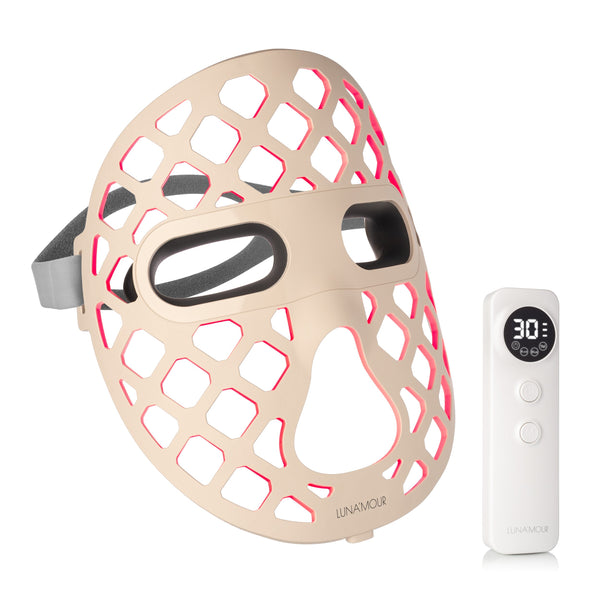
LED (light-emitting diode) therapy uses specific wavelengths of visible light. Different colors reach different depths of the skin, which is why devices pair colors with different goals. Red light reaches deepest of the visible colors and is the most researched for the look of fine lines and texture. Blue light works near the surface and is often used for clearer-looking skin. Yellow and green are typically used for tone and a calm, even look.
LED is gentle, painless and does not heat the skin, which makes it one of the easiest technologies to start with. A controlled trial published in Photomedicine and Laser Surgery found that people treated with red and near-infrared light reported improvements in the look of fine lines and skin roughness 1. A randomized, placebo-controlled, split-face study of LED phototherapy also reported visible skin improvements 2, and reviews in dermatology journals describe how red and near-infrared light interact with skin cells 3.
May help with- Radiance
- Even-looking tone
- The look of fine lines
- Clearer-looking skin
- Texture


Intense pulsed light (IPL)
IPL uses short flashes of broad-spectrum light. The pigment in the hair absorbs that light, which over a series of sessions may help reduce unwanted hair growth. Because it targets pigment, IPL works best when there is contrast between hair and skin. Research reviews of home-use devices describe hair reduction that builds over repeated sessions rather than permanent removal 4, and a Cochrane systematic review, one of the most rigorous forms of medical evidence, found that light-based hair removal reduces hair in the short term 5.
May help with- Reducing unwanted hair over time
- Smoother-feeling skin between sessions


Low-level laser
Low-level laser therapy applies low-power laser light to the scalp. Unlike the lasers used in clinics for resurfacing, it does not heat or damage tissue. It is used to support scalp condition and the look of fuller hair, and it has been studied for hair thinning 6, including a multicenter, randomized, double-blind trial that compared a home laser device with an inactive sham device 7. As with any light technology, consistency over months matters more than any single session.
May help with- Scalp condition
- The look of fuller hair


Current technologies
These devices use gentle, controlled electrical current or electromagnetic energy. They are behind the "lifted" and "firmer-looking" results people associate with professional facials.
Microcurrent and EMS
Microcurrent and EMS (electrical muscle stimulation) both work the muscles with gentle electrical current, but at different strengths. Microcurrent runs at a very low level, measured in millionths of an amp, that most people barely feel. It is designed for the face, where it may help muscles look lifted and toned. EMS uses a stronger current that creates a visible contraction, a little like a workout for the muscle. It is used on the face, around the eyes and on the body.
Many people notice a more lifted look right after a session, and the effect builds with regular use. Microcurrent and galvanic devices usually need a water-based conductive gel or serum so the current can glide evenly. Our full comparison, Microcurrent vs EMS, explains the difference.
May help with- A lifted look
- Toned, defined-looking contours
- Rested-looking eyes
- Body toning routines


Galvanic technology
Galvanic devices use a low-level, steady direct current. The idea is simple: many skincare ingredients carry a charge, and a gentle current may help move them into the skin more effectively. The principle, called iontophoresis, is well documented in pharmaceutical research 8. That means the serums you already own can work harder. Galvanic is often paired with microcurrent in the same wand, and it can leave skin looking refreshed and radiant.
May help with- Helping serums absorb
- A refreshed, radiant look


Radiofrequency (RF)
Radiofrequency delivers gentle, controlled warmth to the deeper layers of the skin. Dermatology research describes this heat as the trigger for a remodeling response in the skin's support structure 9, which is why RF is associated with a firmer, tighter look. At-home RF runs at lower energy than in-office treatments, so it is designed for gradual results across a consistent routine. It feels like a warm massage.
May help with- Firmer-looking skin
- Smoother texture
- A tighter-looking jawline and neck


Motion and suction
Not every beauty technology is light or current. These devices work mechanically, through vibration, suction or sound waves, often recreating the hands-on techniques of a professional massage.
Sonic vibration
Sonic vibration uses high-frequency movement, thousands of tiny pulses per minute. On the face, it adds a gentle massage that may help support circulation and help serums and treatments absorb. It also makes a routine feel noticeably more like a spa ritual. You will find it built into many multi-technology devices, from LED to microcurrent tools.
May help with- Circulation
- Serum absorption
- A relaxing, spa-like feel
Vacuum sculpting
Vacuum devices use gentle suction to lift and release the skin, much like facial cupping or a lymphatic drainage massage. Glided along the face, neck or body in the right direction, they may help support circulation and leave skin looking depuffed, smoother and more contoured. Electric devices make the suction consistent, which is harder to achieve with manual cups.
May help with- A depuffed look
- Circulation
- A smoother, more contoured look


Ultrasound cavitation
Ultrasound cavitation uses low-frequency sound waves on the body. It is designed to support the look of a smoother, more contoured silhouette as part of a regular body care routine, and it is usually combined with other technologies such as RF and LED in the same device.
May help with- The look of a smoother silhouette
- Body care rituals
Temperature
Warmth and cold are among the oldest tools in skincare. Built into devices, they add comfort and a finishing touch, and they pair naturally with other technologies.
Heat therapy
Gentle warmth makes a session more comfortable and relaxing, and warm skin may be more receptive to the skincare you apply. You will often find heat paired with microcurrent, EMS or light therapy in the same device, especially in eye masks and neck tools where comfort matters most.
May help with- Comfort and relaxation
- Skincare absorption
- Tired-looking eyes


Cooling therapy
Targeted cooling soothes and refreshes. It may help calm the look of temporary puffiness and leaves skin feeling comfortable, which makes it a natural finishing step. In IPL devices, a cooling surface also keeps sessions more comfortable.
May help with- Calming temporary puffiness
- Comfort after other treatments
- A refreshed look
Smart skin sensing
The newest family in beauty tech, built for the fact that skin changes from day to day.
Smart skin sensing
Your skin shifts daily with sleep, weather, stress and your cycle, but most devices run the same program every time. Smart skin sensing devices read your skin in real time and recommend a treatment mode to match, so each session fits what your skin needs that day rather than following a fixed routine. It takes the guesswork out, which is especially helpful if you are new to beauty tech.
May help with- Choosing the right mode
- Adapting your routine day to day
- Confidence for beginners

Why the best devices combine technologies
Each technology works on skin in a different way. Light works with skin at a cellular level, current works the muscles, warmth and suction work on circulation and comfort. Combining them in one device means one session can cover more than one goal, without adding more steps to your routine.
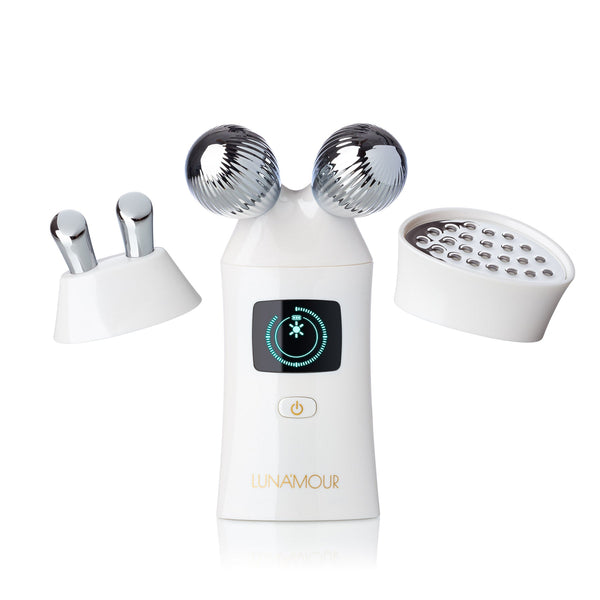
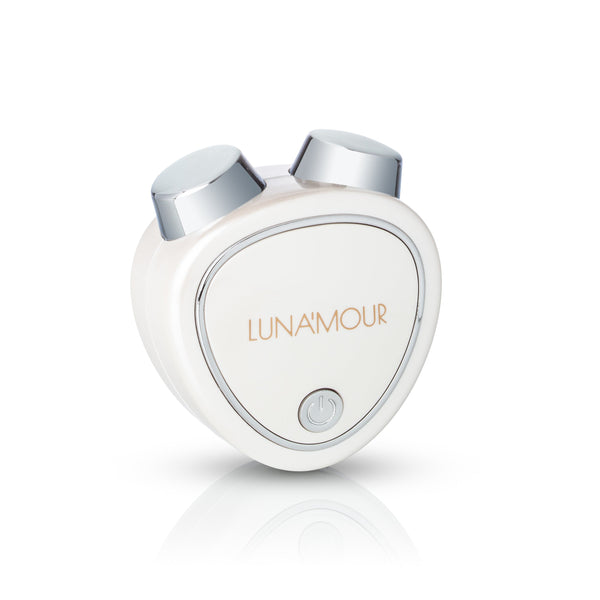
That is the thinking behind the LUNA'MOUR range, and the reason we built a collection that covers all 12 technologies instead of specializing in one. The ElectraLume pairs microcurrent with light therapy. The TriWave Contour Wand brings together microcurrent, galvanic and LED. The V-LIFT Ionic combines radiofrequency, EMS, LED, galvanic, heat and cooling in a single facial device. Our step-by-step guide to pairing LED and microcurrent publishes Saturday, October 31.
Not sure where to start?
Answer a few quick questions about your skin goals and routine, and we will match you with the technology and device that fit.
Find Your MatchHow to choose: start with your goal
The easiest way to choose a device is to start with what you want to see, then pick the technology that fits.
Safety first: who should check with a doctor
At-home devices are designed for everyday use, but they are not right for everyone. Check with your doctor before using a beauty device if any of these apply to you:
- You have a pacemaker or another implanted electronic device (avoid microcurrent, EMS, galvanic and RF).
- You are pregnant or breastfeeding.
- You have metal implants in the area you want to treat (relevant for RF).
- You take medication that makes your skin sensitive to light (relevant for LED, IPL and laser).
- You have epilepsy or a history of light-triggered seizures.
- You have an active skin condition, open wounds or recent procedures in the treatment area.
Always read your device manual, patch test new devices and serums, and start with the lowest setting.
Frequently asked questions
Do at-home beauty devices actually work?
Many at-home technologies, especially LED light therapy, radiofrequency and IPL, have published research behind them. At-home devices run at lower energy than in-office machines, so results build gradually with consistent use and vary from person to person.
What is the difference between microcurrent and EMS?
Both use gentle electrical current. Microcurrent works at a very low level you usually cannot feel, while EMS uses a stronger current that creates a visible muscle contraction. Microcurrent is mostly used on the face; EMS is used on the face and body.
Can I use more than one beauty technology in the same routine?
Yes. Many devices combine technologies, such as LED with microcurrent, because they work in different ways. Follow each device's instructions for order and timing, and start slowly if your skin is sensitive.
Which beauty technology is best for beginners?
LED light therapy and sonic vibration are the easiest places to start. They are gentle, quick to learn and easy to fit into a routine you already have.
How long does it take to see results from a beauty device?
It depends on the technology. Cooling and sonic tools can leave skin looking refreshed straight away, microcurrent may show a lifted look after a session that builds with regular use, and LED, RF and IPL usually take several weeks of consistent sessions.
Are at-home beauty devices safe for every skin tone?
Most technologies, including LED, microcurrent, EMS, sonic and vacuum, work across skin tones. IPL is the main exception: it relies on contrast between hair and skin, so always check the skin tone chart for your device and patch test first.
Who should avoid beauty devices that use electrical current?
If you have a pacemaker or another implanted electronic device, are pregnant, or have a medical condition in the treatment area, check with your doctor before using microcurrent, EMS, galvanic or RF devices.
Do I need a conductive gel or serum with my device?
Microcurrent and galvanic devices usually need a water-based conductive gel or serum so the current can glide evenly. Other technologies have their own rules, so always follow the instructions for your specific device.
References
- Wunsch A, Matuschka K. A controlled trial to determine the efficacy of red and near-infrared light treatment in patient satisfaction, reduction of fine lines, wrinkles, skin roughness, and intradermal collagen density increase. Photomedicine and Laser Surgery. 2014. PubMed
- Lee SY, et al. A prospective, randomized, placebo-controlled, double-blinded, and split-face clinical study on LED phototherapy for skin rejuvenation. Journal of Photochemistry and Photobiology B: Biology. 2007. PubMed
- Avci P, et al. Low-level laser (light) therapy (LLLT) in skin: stimulating, healing, restoring. Seminars in Cutaneous Medicine and Surgery. 2013;32(1). PubMed
- Light-based home-use devices for hair removal: why do they work and how effective they are? Lasers in Surgery and Medicine. 2019. PubMed
- Haedersdal M, Gøtzsche PC. Laser and photoepilation for unwanted hair growth. Cochrane Database of Systematic Reviews. 2006. Cochrane Library
- Low-level laser therapy for the treatment of androgenic alopecia: a review. Lasers in Medical Science. 2018. PubMed
- Jimenez JJ, et al. Efficacy and safety of a low-level laser device in the treatment of male and female pattern hair loss: a multicenter, randomized, sham device-controlled, double-blind study. American Journal of Clinical Dermatology. 2014. PubMed
- Kalia YN, et al. Iontophoretic drug delivery. Advanced Drug Delivery Reviews. 2004. PubMed
- Skin tightening technologies. Facial Plastic Surgery. 2014;30(1):62-67. PubMed
LUNA'MOUR devices are not medical devices and are not intended to diagnose, treat, cure, or prevent any disease. Individual results vary with skin type and consistency of use.